

🆕 Ethereum’s “Brain Drain”
Could the ETH value start to drop as key tech talent start to back away from the project? Learn how the founder Vitalik thinks in 2026.


The most important facts and the growing interest in this traditional, slash, now renewed modernised crypto asset.
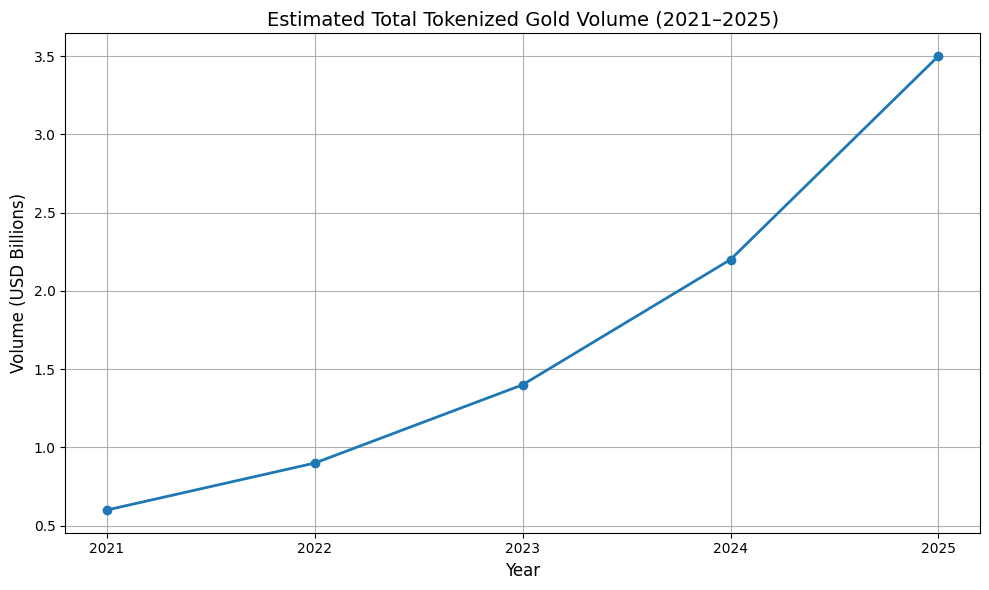
In 2025, tokenized gold emerged as a fast-growing niche, with the total value of gold-backed tokens tripling to roughly $3.5 billion by late 2025. Unlike traditional stablecoins pegged to fiat, gold-backed tokens are tied to real physical gold that has an extremely long historical price. Volumes for gold tokens exceeded $19 billion in Q2 2025, even narrowing the gap versus major traditional ETFs for gold in terms of trading activity.
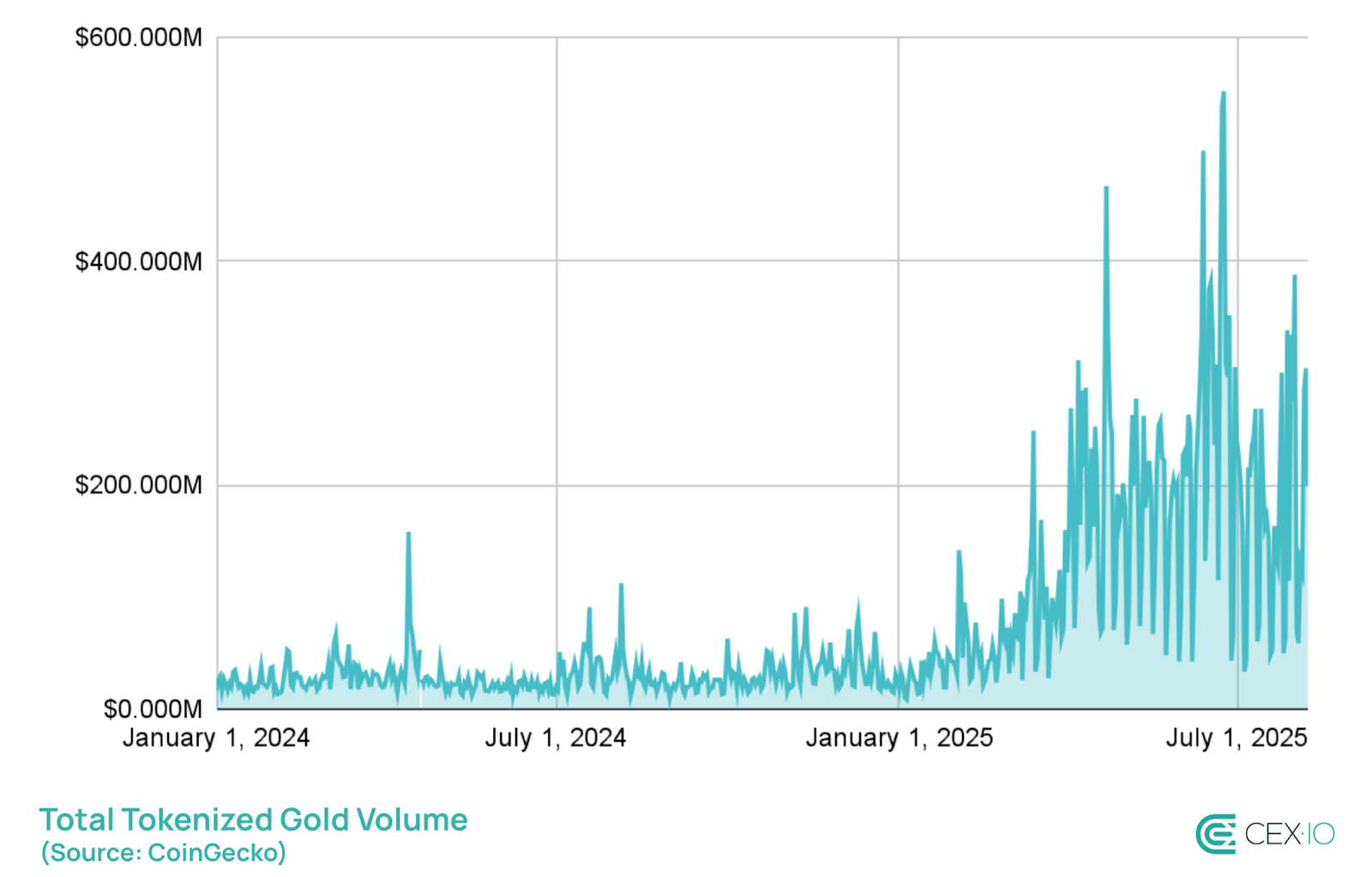
Gold in even outpaced almost all other crypto, including BTC and ETH in 2025, and has begun to stand out as a serious tokenized asset, right next to stablecoins. Gold's lack of controversy has made it a new shining rock to invest your hard earned cash into because it blends an age-old safe haven with modern blockchain tech, and investors are taking notice of this trend. But how does it work? Read on below.
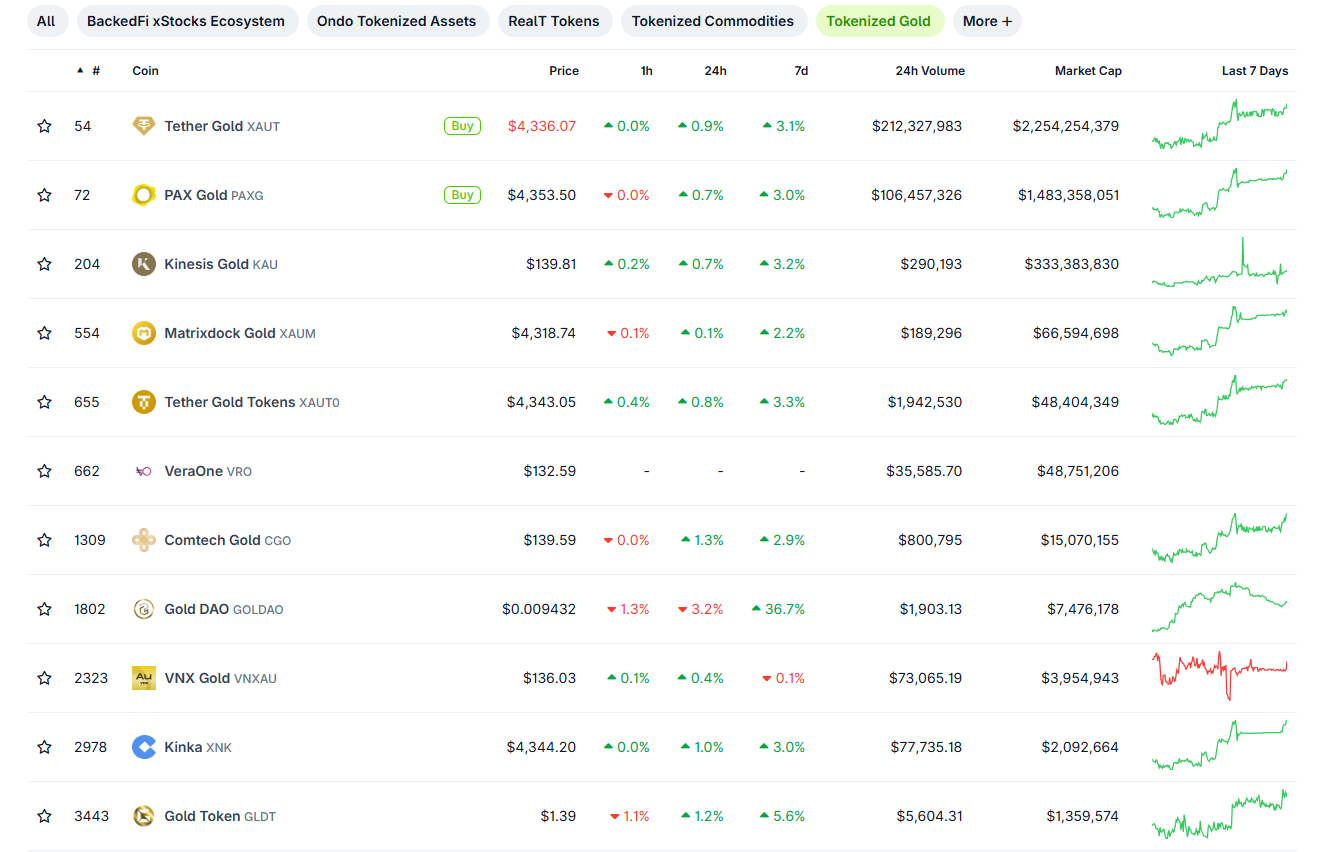
Almost all of the market capitalization of tokenized gold goes towards 2 tokens, Tether Gold (XAUT) and PAX Gold (PAXG), totalling $3.7 billion as of Dec 15, 2025. The rest of the $0.5 billion are scattered amongst ~15 other tokens.
Gold-backed tokens begin with the issuer acquiring physical LBMA-certified gold bars (or some other well known issuer), which are stored in secure, insured vaults in global financial hubs like London, Zurich or even Singapore.
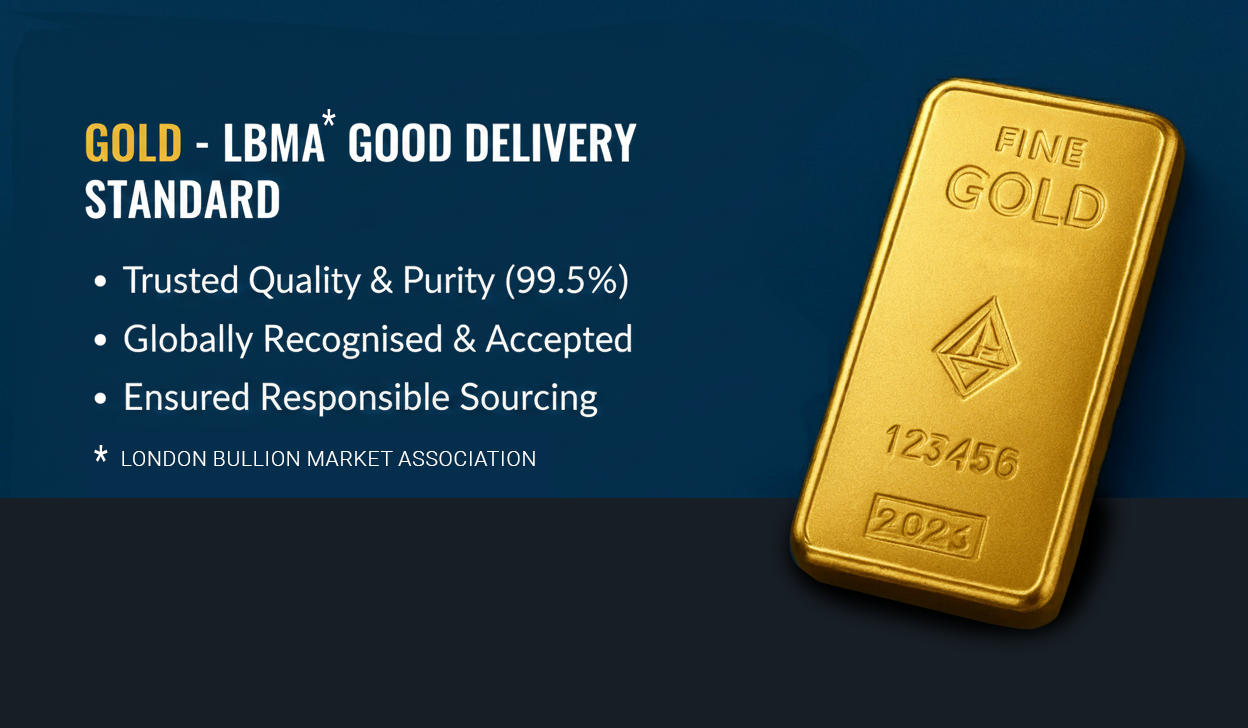
Each bar is allocated and traceable, ensuring transparent ownership. Once vaulted, the issuer mints blockchain tokens (e.g. ERC-20) that represent fixed units of gold. Typically 1 gram or 1 ounce per token. The token supply is tightly synced to vault reserves, offering on-chain proof that every token is fully backed.
Most of the gold tokens are redeemable for physical real gold that once redeemed and delivered will subsequently burn the gold token.
Most users do not redeem directly; it’s generally easier to sell the token on an exchange for near-market price than to deal with shipping a heavy gold bar. In that sense, gold tokens behave like gold ETFs. To redeem gold tokens you typically need to redeem in the 100,000s or even millions of dollars which has made redemption of gold tokens rare by individuals and instead targeted to institutions only.

Below are the top 10 facts behind gold-backed tokens and why they could be the template to other tokenized commodities.
Every token (e.g. PAXG, XAUt) is backed 1:1 by real, investment-grade gold stored in secure vaults. This model mirrors fiat-backed stablecoins like USDT or USDC, but with gold instead of dollars.
Token creation, wallet management, redemption, and audit logging require robust software. Platforms like HollaEx® offer white-label exchange tools to handle minting, user control, and full accountability.
Top issuers like Paxos and Tether store gold in professional vaults (e.g. London, Switzerland) and publish serial numbers, weights, and purity for each gold bar, ensuring transparency and traceability.
These tokens can be redeemed for physical gold, but are subject to high minimums that are geared to institutional players, and not individuals typically. The option to redeem helps anchore the value of the gold token.
Paxos is regulated by the NYDFS and undergoes monthly audits. Tether publishes quarterly attestations. Credible auditing is essential to maintain trust in the peg.
Market caps for PAXG and XAUt are in the billions, with daily trading volumes sometimes exceeding $600M. This signals strong demand from both retail and institutional investors.
These tokens function similarly to stablecoins, usable in DeFi, wallets, and exchanges but their value tracks gold instead of fiat. This offers a stable, inflation-resistant digital asset.
The token model is conceptually simple: vault gold → mint token → enable transfers. The challenge lies in physical custody, issuance mapping, and audit processes.
Tokenized gold allows people to own tiny fractions (e.g. 0.001 oz) and transfer value globally, 24/7, without borders or banking friction.
These tokens make gold usable in crypto ecosystems while preserving the metal’s role as a trusted store of value, opening the door for new asset-backed token businesses and products.
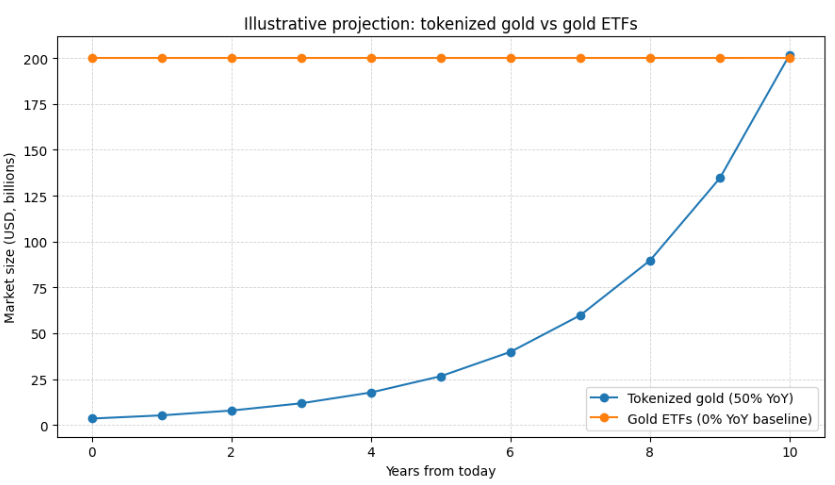
Tokenized gold is growing about ~50% a year, and if that pace holds on average, it is plausible that it will get close to traditional gold ETFs within ~10 years (Year 2035). Tokens like PAXG and XAU₮ show real-world asset tokenization can keep the core promise intact: audited, vaulted gold in known custody, one token representing physical gold. What it adds is what bullion can’t: 24/7 liquidity, fractional ownership, and easy global transfer. As demand for hard assets rises and rules for commodity-backed tokens become clearer, tokenized gold looks like a modern wrapper around an ancient store of value, heavy bars in a vault, traded with crypto-like ease.
***
Looking to tokenize a commodity?
Learn how with HollaEx®


.png)